Combs
...
Viking Age Compendium articles on wargear:
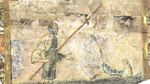
Unusually for this website we're going to include reproductions alongside photos of the original finds and scans of line drawings to help describe the different types of combs that could have been found in Viking Age Britain.
In Britain the primary material used for making combs was Red Deer Antler.
Typology
We are using Steven Ashby's Typology.
Ashby Type 1a - Early Anglo-Saxon
Date: AD300-600
Mainly found in: England, Netherlands, Belgium, Denmark
Ashby Type 1b - Barred
Date: AD500-800
Mainly found in: England, Netherlands, Belgium, France
Ashby Type 1c - High-backed
Date: AD450-800
Mainly found in: Scotland, Ireland
Type 2a - Flat-sided
Date: AD600-900
Mainly found in: England, Netherlands, Belgium, France
The flat connecting plates are cut from the ribs of sheep or other domestic mammals
Type 2b - Bowed
Date: AD600-900
Mainly found in: England, Netherlands, Belgium, France.
Frequently referred to as 'hogback' or 'winged' combs.
Type 2(c)* - Coped
Date: AD600-900 Mainly found in: England, Netherlands, Belgium They are most common in the Netherlands, but also appear in small numbers in the southern British Isles.


Type 3(a)* - Handled (Split)
Northern English Style consists of 2 connecting plates.


Type 3(b)* - Handled (Solid)
Date: AD700-1100
Southern English Style use a slotted antler tine.

Type 3(c)* - Handled (Hollow)
Type 3(d)* - Handled (Double-Sided)
Mainly found in:

Type 4 - Horn
-
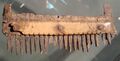 London Museum


Type 5 - Norse
(ARWIDSSON 1984 Ambrosiani Type A)

National Museum of Scotland


Type 6 - Short
(ARWIDSSON 1984 Ambrosiani Type B)


Type 7 - Long


-
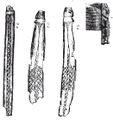 Hesket, England


